
The Evolution of Regional Comics in the Digital Age

Updated: Jul 21, 2025
In the past, comics were often seen as a niche market, primarily targeting younger audiences. However, the landscape of regional comics has dramatically evolved, especially in the digital age. This transformation opens new avenues for creators, allowing them to reach larger audiences and experiment with various formats and styles. Throughout this article, we will explore how regional comics, particularly in the Philippines, have adapted to the digital world and what this means for artists and readers alike.
Understanding Regional Comics
Regional comics are publications that reflect the culture, language, and experiences of a specific community or region. In the Philippines, this includes a rich variety of styles and stories, often showcasing local folklore, societal issues, and everyday life.
One of the key features of regional comics is their ability to resonate with readers on a personal level. Through relatable characters and stories told in local dialects, comics in the Philippines illustrate the unique cultural identities of their audiences. With the advent of digital platforms, these comics not only retain their traditional essence but also expand their reach far beyond local boundaries.

The Rise of Digital Platforms for Comics
The digital revolution has fundamentally changed the way comics are created, distributed, and consumed. With platforms like Webtoon, Tapas, and social media, regional comic creators now have unprecedented access to an international audience.
Statistically, the rise of mobile internet and smartphones has made reading comics more accessible than ever. According to a survey, over 50% of Southeast Asian consumers read comics on their smartphones. This accessibility allows creators to upload their work and share it through various channels without the need for traditional printing and publishing.
Furthermore, digital platforms offer interactive features, such as animation, audio, and reader polls, which enhance the storytelling experience. This interactivity also helps creators receive immediate feedback, allowing them to adapt their stories based on audience reactions.

Who is the King of Pinoy Comics?
In the realm of Philippine comics, one name consistently stands out: Francisco "Soc" Rodrigo. Known as the "King of Komiks," he played a pivotal role in establishing and popularizing comic books in the Philippines.
Rodrigo's works featured a blend of adventure, romance, and social commentary, which resonated with readers during a time of cultural change. His stories often reflected the realities of Philippine society, making them relevant and poignant. Rodrigo's legacy continues to influence contemporary comics, encouraging new generations of creators to produce meaningful content.
With a strong foundation set by pioneers like Rodrigo, modern regional comics have been able to flourish and explore new themes and narratives that reflect current issues and the diversity of Filipino culture.

The Impact of Social Media on Regional Comics
Social media platforms play a crucial role in the rise of regional comics. Creators use platforms like Instagram, Facebook, and Twitter to share snippets of their work, build communities, and engage with fans. This accessibility provides creators with marketing opportunities that were once limited to traditional advertising channels.
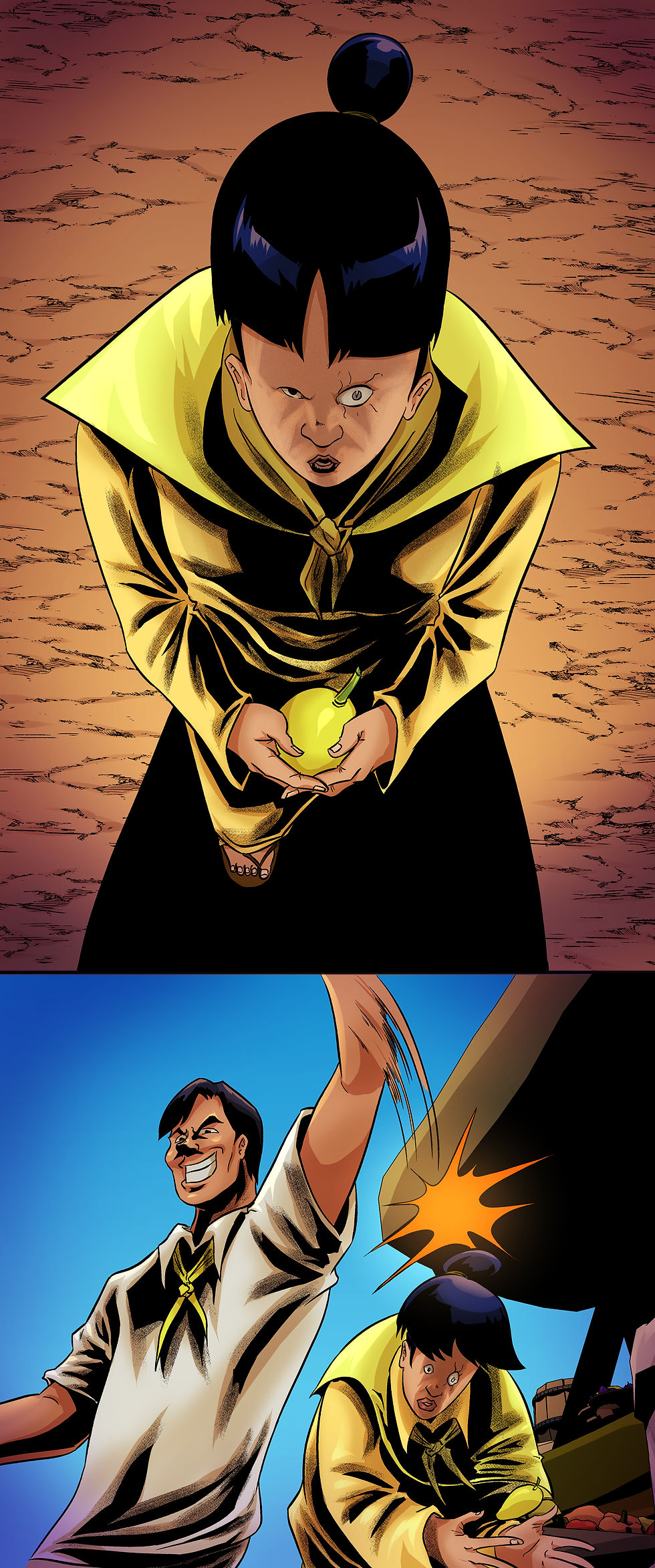
With hashtags and trending topics, regional comics gain visibility and often go viral, leading to a significant spike in readership. Many artists now rely on social media to support their work through crowdfunding or merchandise sales. For instance, local artists may promote their unique series inspired by bisaya comics to a broader audience using social media campaigns.
Additionally, comic conventions often promote regional comics, bringing together creators and fans. These events provide networking opportunities for artists and foster collaborations between veterans and newcomers.
Adapting to Changing Reader Preferences
As the digital landscape continues to evolve, so do reader preferences. Many fans now prefer bite-sized content suitable for quick consumption. This shift has led to the rise of webcomics and graphic novels that cater to these tastes.
Moreover, the blending of genres in regional comics has become increasingly popular. Creators now experiment with combining traditional storytelling with elements of science fiction, romance, and fantasy. This exploration allows artists to draw in diverse audiences while retaining the core values of regional storytelling.
Furthermore, the accessibility of tools for digital art creation gives artists the ability to produce high-quality visuals that captivate readers. This quality shift has elevated the art form and encouraged new talents to emerge in the regional comics scene.
Looking Ahead: The Future of Regional Comics
The future of regional comics appears bright as more creators enter the industry. With the continuous development of technology, opportunities for innovation are boundless. Emerging trends in augmented reality (AR) and virtual reality (VR) could offer even more immersive storytelling experiences in the coming years.
It is also essential for creators to consider sustainability in their practices. As digital comics become more prevalent, it encourages a reduced carbon footprint compared to traditional printing methods. However, creators must balance the advantages of digital formats with the need to preserve local cultures and languages.
To thrive in this digital age, regional comics must evolve while staying true to their roots. Collaborations between local talent and international publishers may amplify stories that need wider recognition. More importantly, fostering a community of comic enthusiasts can ensure a continual exchange of ideas and inspiration.
This evolution not only celebrates the rich tapestry of cultural narratives but also supports the artistic and creative growth of the digital world.
In summary, the evolution of regional comics in the digital age presents numerous opportunities for creators and readers alike. By embracing digital platforms, maintaining rich cultural identities, and connecting through social media, regional comics can thrive and continue to resonate with audiences both locally and globally.



Comments